Formal Letter Format Examples: 5 Models You Can Adapt with AI
Learn where each part belongs, then adapt models for requests, complaints, business messages, and official correspondence.


The short answer
These formal letter format examples use this order: sender/date, recipient, subject, purpose, facts, action, closing, signature. Verify local instructions.
What makes a letter formal?
A formal letter is written for a professional, institutional, or official reader. It does not need to sound cold. It needs a clear purpose, respectful wording, enough context to verify the situation, and a practical next step. It may be printed, attached as a PDF, sent as an email body, or submitted through an organization’s process.
If you already know the facts and want help arranging a first draft, the AI formal letter generator can turn recipient details, background, and requested action into editable copy. Check every fact against your records before sending it.
Specific purpose
The opening says whether you are requesting information, reporting a problem, applying, confirming a decision, or following up.
Verifiable context
Dates, names, reference numbers, and amounts appear only when accurate and useful to the reader.
Respectful action
The letter states the response, correction, approval, meeting, or update you want without threats or vague pressure.
The standard parts of a formal letter
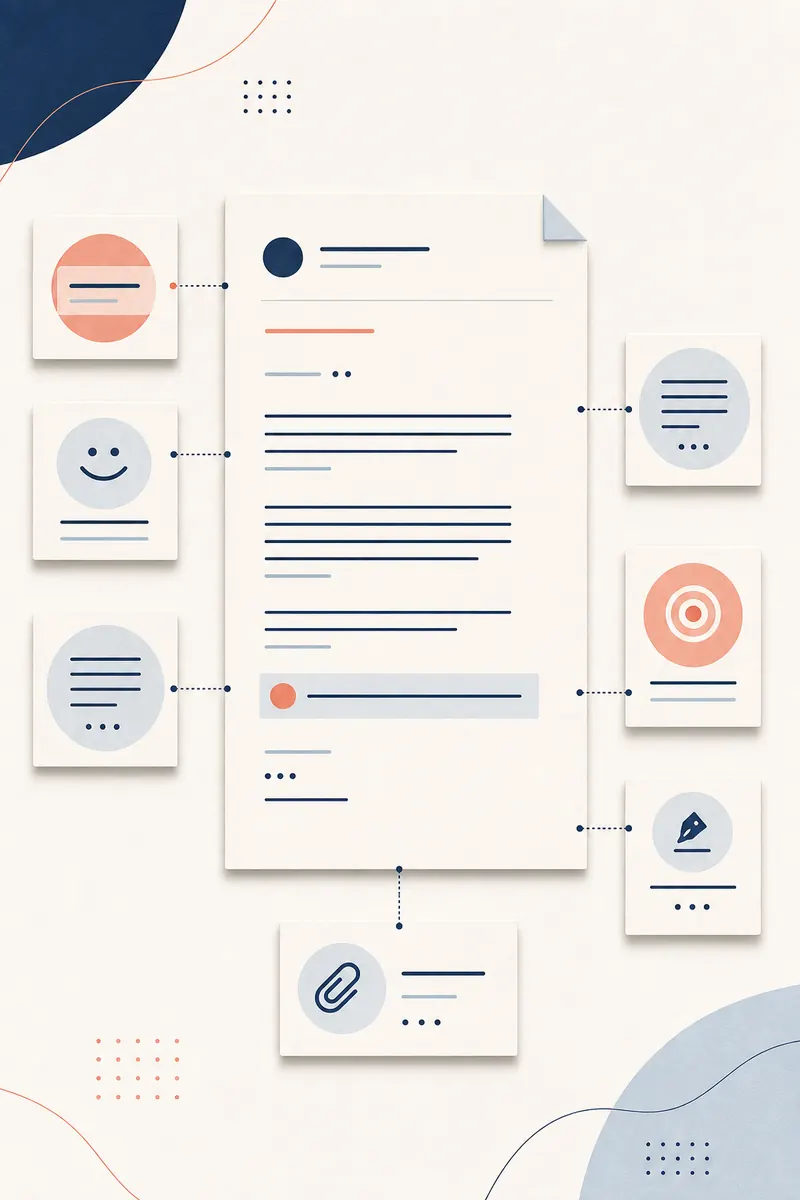
A predictable structure helps a busy recipient scan the letter and route it correctly. Follow the organization’s required format first, then keep spacing, alignment, and labels consistent. Full-block layouts are common because every line begins at the left margin; other styles may shift the date or closing.
| Part | What to include | Purpose |
|---|---|---|
| Sender block | Name, role, organization, address, email, and phone when useful. | Identifies you and gives the reader a reliable reply channel. |
| Date | The sent date in the local or organizational style. | Creates a timeline for notices, records, and follow-up. |
| Recipient block | Name, title, organization, and address with spelling checked. | Shows who should act and helps route the letter. |
| Subject or reference | A short topic, case number, invoice, order, or application reference. | Makes the reason for the letter easy to file and forward. |
| Greeting | A verified name, department, or role-based greeting. | Sets a professional tone without guessing personal details. |
| Body | Purpose, facts, evidence, requested action, deadline, and contact path. | Gives the reader what is needed to decide the next step. |
| Closing and signature | Closing phrase, typed name, role, and relevant attachments. | Ends the request clearly and identifies the sender. |
5 formal letter format examples
The models below show order and detail, not a universal script. Replace names, dates, references, and promises with verified information.
1. Formal information request
Use when: you need a record, policy, explanation, appointment, or written confirmation.
2. Formal complaint letter
Use when: a documented issue remains unresolved after normal support contact.
3. Business introduction or partnership letter
Use when: you introduce a service, propose a meeting, or open a professional conversation.
4. Official permission request
Use when: you request approval, a review, a schedule change, or another formal decision.
5. Follow-up and confirmation letter
Use when: you document a meeting, confirm an action, or ask for an update.
Choosing a business letter layout
Choose the recipient’s expected style and apply it consistently. Readability matters more than decoration.
Full block
All main lines align left. It is simple, modern, and easy to create.
- Use single spacing.
- Leave a blank line between paragraphs.
- Keep the subject short.
Modified block
The body stays left aligned while the date or closing shifts right.
- Check the PDF export.
- Do not mix styles without a reason.
- Follow the organization’s model.
Letterhead
Use the organization’s existing identity without repeating a large logo or contact block.
- Verify official contacts.
- Leave filing space.
- Match the attachments to the signature.
Formal email
Keep the same logic in an email body with a clear subject and mobile-friendly paragraphs.
- State the action early.
- Name each attachment.
- Explain what each file contains.
Follow a provided form or portal before choosing a layout.
Complaint letters versus request letters
Both ask for action. A request explains a need and asks for information, permission, or help; a complaint records a problem and asks for a specific correction.
Structure of a formal complaint
Start with the transaction, service, account, or event that can be checked. Add a short timeline, available evidence, measured impact, and the resolution you want.
- Include useful dates or references.
- Separate facts from guesses.
- Set a realistic reply period.
- Keep a copy of the letter and attachments.
Structure of a formal request
Name what you need, why this recipient is responsible, and which decision or document would move the matter forward.
- Name the exact document or action.
- Include a real deadline when needed.
- Give a preferred reply channel.
- Attach only relevant material.
For legal, financial, housing, employment, or safety disputes, this guide is not professional advice. Stay factual.
Use AI without losing accuracy
AI can organize a draft when your facts are clear, but it should not invent them. Give it a limited task and compare the result with your records.
- 1. Gather source facts
Prepare names, dates, references, amounts, rules, and the action you want.
- 2. Name the reader and goal
Identify the office, manager, university, supplier, or landlord and the result you need.
- 3. Ban invention
Tell AI not to add dates, laws, fees, threats, promises, or evidence that is missing.
- 4. Request a clear structure
Ask for a short subject, direct opening, facts, action, and professional close.
- 5. Check every line
Verify names, dates, numbers, attachments, deadlines, and claims against source documents.
- 6. Restore your voice
Replace generic wording with your own professional language and remove exaggeration.
Common formal letter formatting mistakes
A letter can fail when the reader has to search for the main point.
- The purpose arrives late — State why you are writing early, then add useful context.
- The recipient is unclear — Name the department or role that should respond.
- The request is vague — Ask to correct, send, confirm, or explain something specific.
- Facts and opinions mix — Separate what is known, assumed, and requested for verification.
- The layout is decorative — Bright colors and crowded graphics hurt printing and scanning.
- Attachments are unnamed — Name every file and state why it is included.
Final checklist before sending
Read as the recipient:
- Sender and recipient contacts are correct.
- Date, subject, references, and attachments are checked.
- The first paragraph states the purpose.
- Facts and evidence are separated from assumptions.
- The requested action is precise and realistic.
- The tone is respectful.
- Names, dates, amounts, links, and quotes are reviewed.
- The document works on paper, PDF, and email.
- A final copy and attachments are saved.
For a reusable drafting flow, try the business letter format generator then review the result with this checklist.
FAQ about formal letter format examples
Further reading
Ready to structure your formal letter?
Start with recipient, purpose, facts, and action. The free AI generator prepares a draft.
Open generator