How to Write a Complaint Letter: Format, Steps & Example
Turn a frustrating product or service issue into a clear record, a specific request, and a letter that is easier to review.

The short answer
A strong complaint letter names the issue, gives a brief factual timeline, explains the practical impact, attaches or identifies relevant records, and asks for one clear resolution. Keep the tone calm, keep a copy, and check the recipient's own process before choosing a deadline or escalation step.
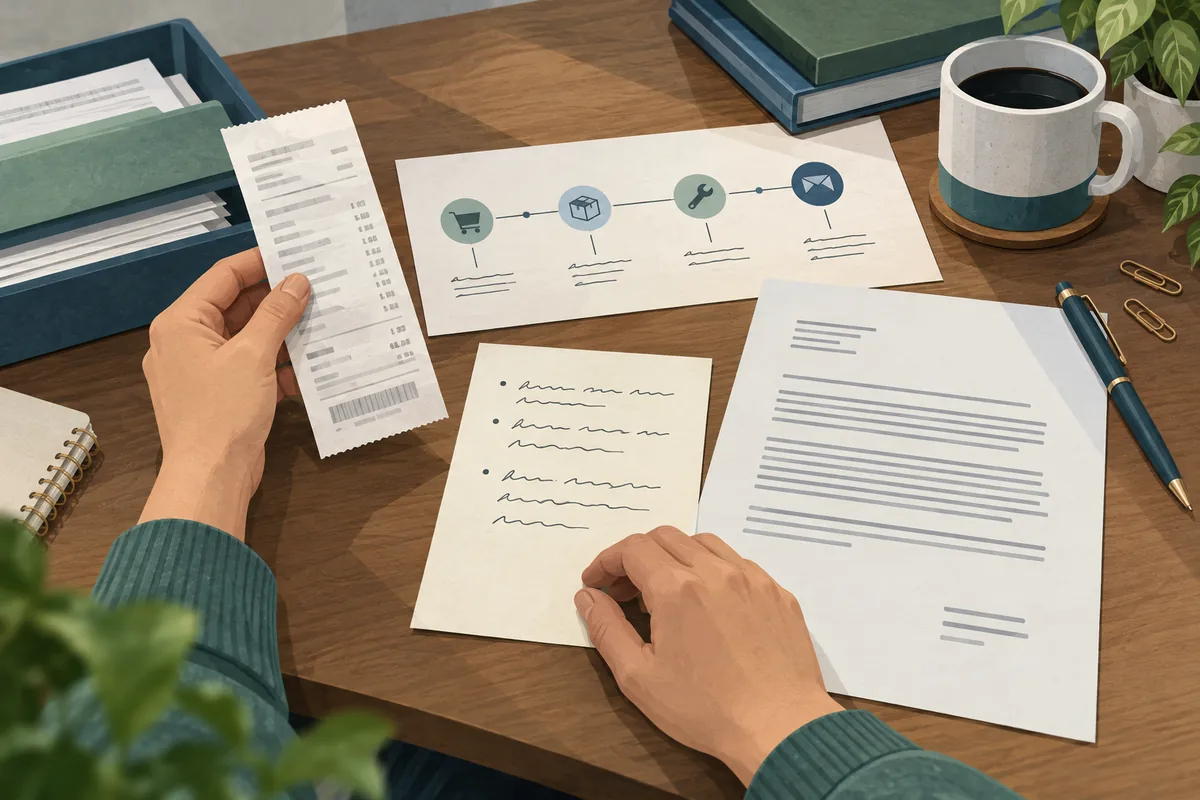
What a complaint letter needs to do
If you are learning how to write a complaint letter, begin with facts a reader can verify and the outcome you want. Start with the shortest accurate description of the problem, then add dates, reference numbers, and one practical request. Clear writing gives the recipient a path to investigate and respond.
Use this format for a product, billing, delivery, service, or customer-support issue. Housing, employment, safety, or financial disputes may have separate processes. This guide helps organize writing; it does not explain legal rights, required notices, filing deadlines, or which authority has jurisdiction.
How to write a complaint letter in five steps
Before drafting, decide what a useful response would look like. Then build the letter from records you can verify rather than trying to include every detail you remember.
- Choose the right recipient. Use a verified department, case contact, customer-relations team, or manager. Check the organization's published complaint route first; a letter sent to the wrong inbox can delay review.
- Make a short timeline. List the purchase, appointment, charge, service failure, and prior contact in date order. Add a ticket or order number only when it helps the reader locate the record.
- Separate fact from impact. State what happened and what you observed. Then describe the practical result, such as an extra charge, missed delivery, or time spent contacting support. Avoid guessing why it happened.
- Ask for one specific outcome. Name a realistic next action: correct a bill, repair or replace an item, review a decision, or explain what happened. If two options would work, say which one you prefer.
- Review and keep a copy. Check names, dates, amounts, attachments, and the reply address. Save the sent letter and the documents you included so you can refer to the same record later.
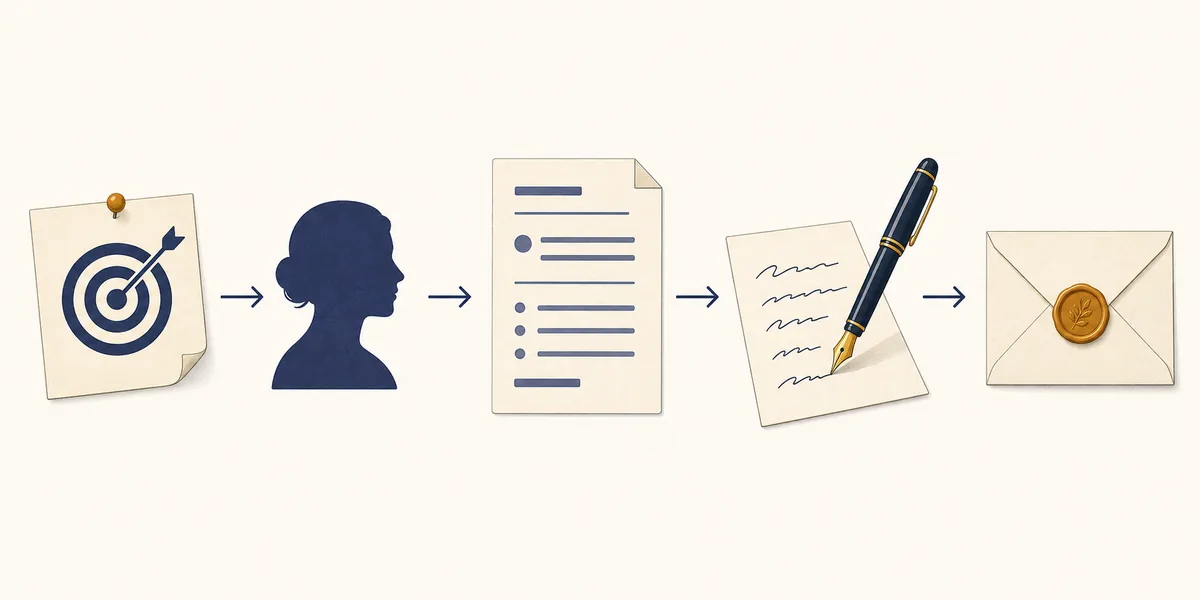
Complaint letter format: what to include
A complaint letter can be one page when the issue is simple. Give each part a job, and move detailed records to labeled attachments when they would interrupt the explanation.
| Part | What to write | Why it helps |
|---|---|---|
| Date and recipient | Use the current date and the verified person, department, or organization. | Helps route and file the letter. |
| Subject or reference | Name the issue and add an order, case, or account reference only if needed. | Lets the reader find the right record. |
| Opening | State why you are writing in one direct sentence. | Makes the purpose clear immediately. |
| Facts and timeline | Describe what happened in date order, using details you can support. | Makes the issue easier to check. |
| Impact | Explain the practical cost, delay, inconvenience, or unresolved question. | Shows why a response is useful. |
| Requested resolution | Ask for a defined correction, review, repair, refund, replacement, or explanation. | Gives the recipient a clear next step. |
| Records and reply channel | Name relevant copies and say how the recipient can reply. | Keeps the review organized and actionable. |
Complaint letter example for a billing issue
The example below is fictional. It shows how to connect a disputed charge to dates and records, then ask for a correction without adding a threat or an unsupported claim.
Example situation: A customer sees a second installation charge after an appointment was rescheduled. The customer has a receipt, appointment messages, and a support reference.
Subject: Request to review duplicate installation charge, account ending 8392
Dear Customer Support Team,
I am writing about the $49 installation charge listed twice on my September statement. My receipt shows one payment on September 4, and the account statement dated September 18 shows the same charge again.
I contacted support on September 20 under reference 7421. The appointment was rescheduled, but the receipt and appointment messages still show one installation visit. I have attached copies of the receipt, statement line, and appointment confirmation.
Please review the duplicate entry and remove it if the records confirm that it was charged twice. If another document is needed, please tell me which record would help. You can reply to the email address on my account.
Thank you for reviewing this request.
Alex Morgan
Why this works: The letter identifies the disputed item, dates, existing support reference, attached records, and requested review. In a real letter, replace every example detail with your own verified information and use the recipient's preferred contact channel.
Choose evidence that supports the complaint
Evidence should help another person verify a specific sentence. A small, labeled set is usually easier to review than a large folder of unrelated screenshots.
- Receipts or statements: Mark the transaction or line that relates to the issue; keep the original file unchanged.
- Order or case references: Include only the identifier needed to find the record, not a full password or unnecessary identity number.
- Messages and confirmations: Choose the message that proves an appointment, promise, cancellation, or earlier contact.
- Photos or service records: Use a clear image when it shows the condition or date relevant to the problem.
- A short contact log: Note the date, channel, reference, and outcome of earlier attempts to resolve the issue.
Privacy check: Send copies rather than irreplaceable originals. Remove unrelated personal details when the recipient does not need them, and use the organization's secure submission method for sensitive records.
Keep the wording firm and factual
A professional complaint can be direct without sounding hostile. Describe a checkable event and its effect instead of judging a person's character or guessing at intent.
Hard to act on
Your company is dishonest and nobody there knows what they are doing.
Specific and reviewable
My September statement lists the installation charge twice. Please review the attached receipt and statement entry.
The second version gives the recipient something concrete to investigate. If you are upset, draft the letter, take a short break, and remove wording that does not help establish the facts or the requested outcome.
What to do after sending the letter
Keep a copy of the final letter, attachments, and proof of submission. If the organization provides a case number or acknowledgment, save it with your records. These details make a later follow-up more precise.
Do not assume one reply period applies everywhere. Check the recipient's posted process, an applicable contract, or a relevant official source before naming a deadline. If you receive no response, send a brief follow-up that refers to the original date and case number, then use the published review or complaint route if appropriate.
- No confirmation: Check that the message reached the correct channel and keep the sent timestamp or submission receipt.
- A partial answer: Restate the unresolved item and ask one focused question about the next step.
- A formal process: Read the organization's official instructions before using a regulator, mediator, appeal, or other escalation route.
Adjust the letter to the situation
The core structure stays similar, but the recipient and supporting records change. Use these as writing examples, not as instructions about a particular law or procedure.
Product or billing issue
Identify the item or transaction, date, reference, and correction you want. Attach the relevant receipt or statement line.
Delivery or service problem
State the promised service, what occurred, the dates, and what would resolve the practical problem. Keep the sequence short.
Housing or workplace concern
Check the relevant lease, employer, safety, or reporting process before sending. A general letter cannot replace a required notice or specialized advice.
Public office or formal complaint route
Use the agency's official form or designated channel when required. Do not assume a general customer-service letter satisfies a filing rule.
Common complaint letter mistakes to avoid
- A vague request: Replace “please fix this” with the correction or explanation you want.
- A long, unfiltered history: Keep details that establish the issue; summarize unrelated background.
- Unsupported accusations: Describe what you observed and label uncertainty instead of stating a guess as fact.
- Every attachment at once: Choose relevant records, label them, and mention each one in the letter.
- An invented deadline: Check the recipient's process before setting a response date or claiming one is required.
- Sending sensitive originals: Keep originals and remove private details that are not necessary for review.
Know the limits of a general complaint letter
A letter can organize facts and request a response, but it cannot guarantee a refund, repair, investigation, or particular decision. Complaint routes, legal rights, required notices, evidence rules, and deadlines vary by location and subject. Check an authoritative local source or qualified professional when those details matter.
Complaint letter FAQ
What is the correct format for a complaint letter?
Use a date and recipient, a clear subject, a short issue summary, a factual timeline, the practical impact, a specific requested resolution, relevant records, and a professional closing.
How long should a complaint letter be?
Keep it as short as the reader needs to understand and check the issue. A simple billing problem may fit one page; add a labeled attachment when the timeline needs more space.
Should I include evidence with a complaint letter?
Include copies that support the key facts, such as a receipt, statement line, appointment confirmation, or case reference. Do not send unrelated or irreplaceable originals.
Should I write an email or a printed letter?
Use the recipient's published channel. Email can be easier to track; a formal submission route may require a portal, form, or mailed letter.
What resolution should I ask for?
Ask for a practical, specific action such as a corrected charge, repair, replacement, review, or written explanation. Choose a request that matches the issue and available records.
Can a complaint letter guarantee a refund or response?
No. A clear letter helps document a request but cannot guarantee an outcome. Policies, rights, response periods, and escalation routes depend on the organization and location.
Source for the example structure
The U.S. Federal Trade Commission provides a consumer example that emphasizes a clear problem, a requested resolution, and relevant copies of records. Its suggestions do not replace local rules or the recipient's process. Federal Trade Commission: Sample Customer Complaint Letter
Want a draft to review?
Use the complaint letter generator to organize a recipient, timeline, evidence, and requested outcome into an editable draft. Verify every detail before sending.
Open the complaint letter generator